
Artist Contacts
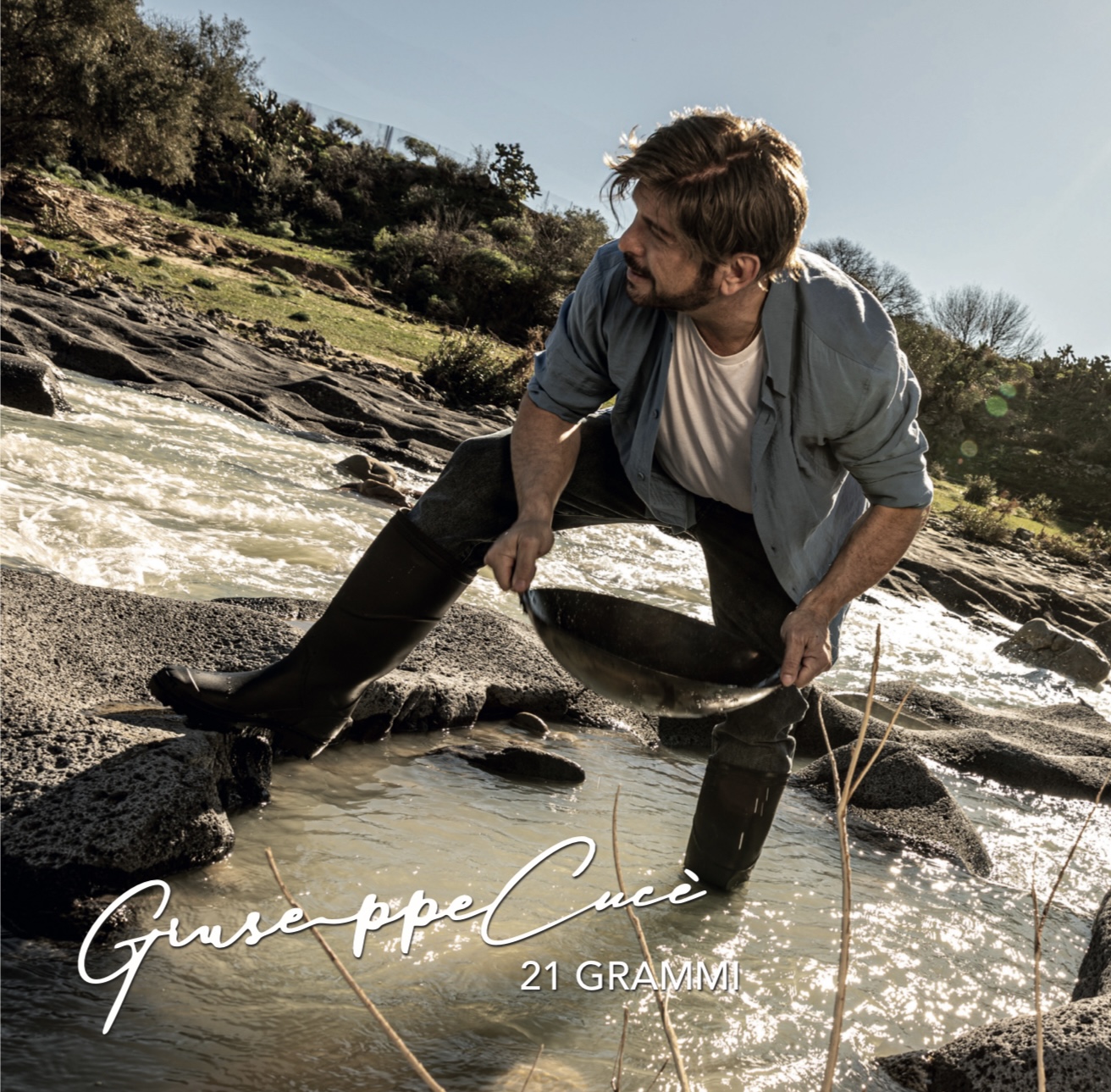
21 grammi opens as a meditation on time and presence, inviting listeners to slow down and inhabit each sonic moment. Giuseppe Cucè constructs an album where every track feels like a scene in a cinematic story, a delicate interplay of memory, emotion, and orchestral nuance. Right from “È tutto così vero,” lively Latin percussion, crisp horns, and rhythmic flourishes immediately create an engaging energy, while Cucè’s vocals balance passion with introspection, setting the stage for an emotionally expansive journey.
“Ventuno” shifts to introspection, pairing gentle guitar arpeggios and piano with soft percussion. The track’s waltz-like flow conveys intimacy, drawing the listener inward as Cucè explores the unseen weight of the soul. The restrained arrangement allows the vocals to breathe, emphasizing reflection over spectacle. In contrast, “Fragile equilibrio” elevates the tension with dynamic piano, rhythmic percussion, and string flourishes that underscore the track’s theme of balance between instability and composure.
“La mia dea” moves seamlessly from quiet reflection to cinematic grandeur. The initial sparse piano and delicate violin expand into a full orchestral texture, supporting vocals that communicate devotion and longing. Cucè’s nuanced phrasing makes the song both personal and universally resonant. Similarly, “Cuore d’inverno” combines layered strings, timpani, and evolving dynamics, portraying endurance and subtle resilience. The song embodies the album’s emotional depth, showing how patience and space in music can amplify feeling.
“Tutto quello che vuoi” introduces lightness and playfulness, with rhythmic guitar and percussion lifting the mood. It provides an essential counterpoint to the album’s introspective passages, demonstrating Cucè’s skill at pacing and emotional narrative. “Una notte infinita” slows the tempo again, employing airy synth textures and minimal instrumentation to create a reflective, nocturnal atmosphere. The track’s restraint highlights Cucè’s voice as the central instrument, emphasizing the personal nature of the album.
The finale, “Di estate non si muore” and the Latin reprise “El mundo es verdadero,” blends celebratory energy with orchestral warmth. These closing tracks reinforce the cyclical journey of transformation, memory, and emotional continuity that permeates the album. Cucè ends the work on a note of vibrancy and inclusivity, encouraging the listener to move, reflect, and feel.
Throughout 21 grammi, Cucè demonstrates mastery in balancing orchestral richness, Mediterranean tonalities, and intimate singer-songwriter storytelling. Each track contributes to the album’s overarching narrative of identity, transformation, and emotional honesty. From energetic Latin-infused openers to introspective ballads and celebratory finales, the album demands attentive listening and rewards patience, leaving a lasting impression of subtle power, human fragility, and artistic integrity.
